


The ad blocker company’s second product
AdGuard is a well-known name in a different category. Its ad blocker has a long history, a large user base and a reputation built on doing one thing carefully. The VPN arrived in 2020 as a second product from the same company, and it inherits both the strengths of that background and a specific weakness.
The strength is technical. AdGuard has spent years dealing with software that has to work while something else is actively trying to detect and stop it, which is the ad blocking problem, and the VPN protocol reflects that experience.
The weakness is that a company known for ad blocking has never been asked the questions a VPN company gets asked, and it has not yet answered them.
The protocol is the reason to consider it
The AdGuard VPN protocol is proprietary and built to be indistinguishable from ordinary HTTPS traffic on the wire. A network running deep packet inspection sees an encrypted web connection, not a VPN handshake.
This matters in exactly the places covered by our pages on Pakistan, Egypt and China, where the failure mode is not a blocked website but a connection that establishes and then dies. A provider without an obfuscated transport is not a candidate in those countries at all. AdGuard has one by default rather than as an option buried in settings, which is a real design advantage over providers where obfuscation is a separate server list users never find.
WireGuard is also available for situations where the disguise is unnecessary and speed matters more.
Ownership, and what we have not confirmed
Adguard Software Limited is registered in Limassol, Cyprus. The company previously operated from Russia and describes the relocation itself.
We are not in a position to call that either settled or suspicious. What we can say is what we have and have not checked: we have the company’s own account, and we have not traced the corporate chain through primary filings in either jurisdiction. Every record in our catalogue currently carries a flag saying its facts need a primary source check, and for this provider that flag is doing more work than usual.
If your threat model involves a specific state, this is the item to resolve before subscribing, and the company should make it easier to resolve than it currently is.
No audit, which is the larger gap
There is no published no-logs audit. The privacy policy says the service does not log traffic, and there is no independent finding that it does not.
This is the ordinary condition of most of the industry, and it is worth being consistent about: we say the same on our pages for Bitdefender VPN and several others. But it is the difference between a claim and a verified claim, and providers like Proton, Mullvad and NordVPN have closed that gap. For a company whose protocol is its selling point, an audit of that protocol and of the logging position would be the single most valuable thing it could publish.
What it costs, and what it does not say
| Plan | Intro | Renewal | True cost per month over 3 years |
|---|---|---|---|
| Monthly | $11.99 | $11.99 | $11.99 |
| 1 year | $35.88 | not published | unconfirmed |
The annual price is an introductory rate. The renewal figure does not appear on the pricing page, which means the advertised monthly equivalent describes the first year only and the real long-term cost is unknown. Our true cost calculator marks it as unconfirmed rather than guessing.
This is a common pattern across the industry and we treat it the same way everywhere it appears. Ask support for the renewal figure in writing before buying a long term.
Features, and the gaps
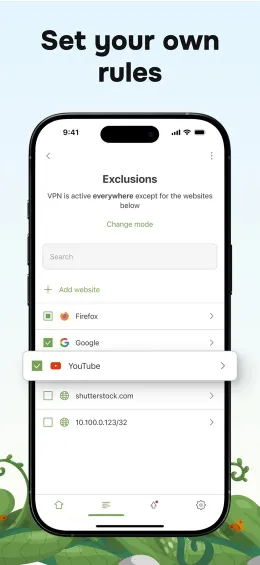
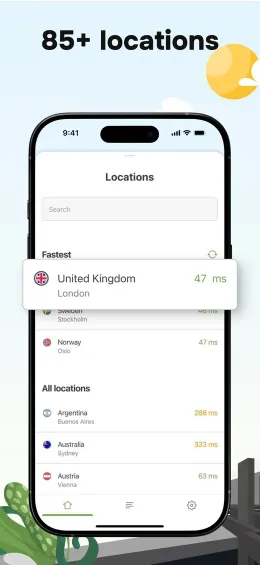
Ten simultaneous connections. Split tunnelling. Ad and tracker blocking, which is the company’s actual specialism and is better here than the blocklist-based blocking most VPNs bolt on. Around 65 countries. Apps for iOS, Android, macOS, Windows, Linux and the browsers.
Missing: port forwarding, multi-hop, and any Tor integration. Torrenting is workable but this is not a torrenting provider, and our torrenting page ranks it accordingly. There is no independent audit of the apps and they are not open source.
Where it lands
AdGuard VPN is a competent product with one genuine differentiator and one significant hole. The protocol is the reason to buy it, particularly if you are somewhere that inspects traffic. The absence of an audit and the unstated renewal price are the reasons it does not rank higher on our main VPN ranking.
If you already pay AdGuard for ad blocking, adding the VPN is a reasonable decision. If you are choosing a VPN on its merits and privacy verification is what you are buying, Proton VPN and Mullvad answer the questions this company has not been asked yet.
What we have not tested
We have not run our own speed, leak or censorship tests on AdGuard VPN. The scores on this site marked as pending will stay pending until we have. Nothing on this page claims a measurement we did not make.